Iowa law requires a septic inspection before every sale. We tell you what yours will actually find, what it costs to fix, and how to keep it from being the reason your closing slips.
We respond within one business day. No pressure.
Figures reflect published in-market competitor pricing plus Iowa DNR/county guidance.
We send a DNR-certified Time of Transfer inspector to walk the property, locate the tank and drain field, and check every item your county's health department requires — nothing more, nothing padded.
You get the county's inspection form, and a second document written for a homeowner: what passed, what didn't, and what a failed item is actually going to cost, before it derails your closing timeline.
If the system passes, you're done. If it doesn't, the same crew that inspected it can repair or replace it — no re-explaining your situation to a second contractor.


“We show you a real diagram of your specific setup as part of every inspection, not a generic brochure.”
The tank, the distribution box, the drain field lines — it's all invisible until something backs up or an inspector digs. We show you a real diagram of your specific setup as part of every inspection.
Rural Iowa properties commonly run gravity, pressure-dosed, aerobic treatment, mound, or sand filter systems depending on soil and lot size. What you have changes what a repair actually costs.
See how the inspection actually works →
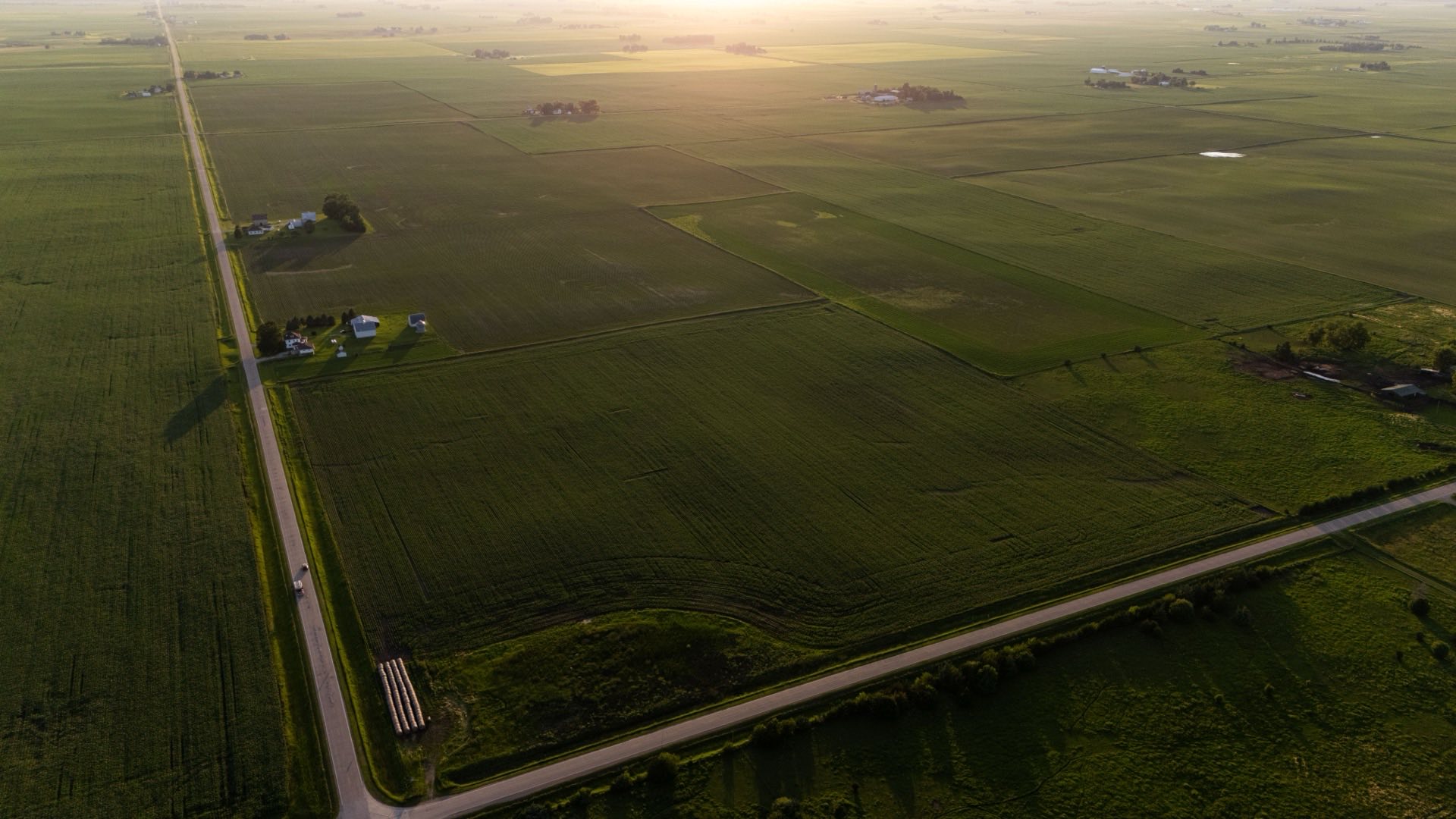
We're built for the exurban ring, not downtown Des Moines. Every inspection, every report, and every repair follows the same plain-language standard, whether you're outside Indianola or Pella.
The inspector looks at the tank, the distribution box, and the drain field as one connected system, not just the tank by itself. That means checking tank integrity, effluent levels, baffle condition, and whether the drain field is still absorbing water or starting to back up. A system can look fine from the yard and still be failing underground. Iowa Code 455B.172 requires this inspection before a private septic system can legally change hands.
Most inspections in this part of Iowa run $300 to $600, depending on how hard the tank is to access and how old the system is. A buried lid with no riser adds digging time, and that pushes the cost toward the higher end. Any repairs the inspection turns up are priced separately from the inspection itself.
Whatever failed has to get fixed before the transfer can legally close. Sometimes that’s a $250 baffle repair. Sometimes it’s a full drain field replacement running $8,000 to $18,000. The inspection report is what tells you which one you’re actually dealing with, not just that something’s wrong.
There’s no single statewide answer. Counties administer the time-of-transfer program under 455B.172, and some set their own window on how long a passing report holds up. If your closing slips by a few months after the inspection, call your inspector or the county sanitarian and ask whether the existing report still counts or whether they’ll want a re-check. That’s a five-minute call that saves a surprise at closing.
Repair fixes one failed part: a baffle, a riser, a lid, a short stretch of drain field. Replacement means the tank or the field itself is worn out, and patching it won’t hold. The line between the two comes down to the field. If the soil is still absorbing water the way it should, repair it. If the field has stopped absorbing water, no repair changes that, and we’ll tell you that straight instead of billing you for a patch that won’t last.
No. Pumping empties the tank. It doesn’t fix a cracked baffle, a failing drain field, or a tank that’s structurally compromised. Most homeowners are surprised to learn a freshly pumped tank can still fail outright, because the inspector is checking the system’s condition, not how empty it is that day. Pumping is maintenance, not a fix for a system that’s already failing.
This is when sellers panic and buyers start getting quotes that don’t match the calendar. A baffle repair can be done in a day. A drain field replacement takes longer, and if the closing date is fixed, that timeline becomes the real negotiation. The report tells you which one you’re facing, and getting a second look at it the same day it comes back is usually what keeps the closing from slipping.
No pitch, no pressure. A straight answer on what your inspection will find, what it costs to fix, and how to keep it from derailing your closing.
We respond within one business day. Include your closing date if you have one.