A septic tank has one job. When it stops doing that job, there’s no repairing your way out.
A tank holds wastewater long enough for solids to settle out before the liquid moves on to the drain field. That’s the whole function. When the tank itself fails, structurally, that function is gone, and no amount of pumping brings it back.
This is the distinction that trips up a lot of homeowners in Warren, Madison, Dallas, Jasper, and Marion counties. A system that’s backing up isn’t automatically a “replace the tank” problem. But a tank that’s cracked, corroded, or collapsing is never a “just pump it more” problem either. Knowing which one you have is most of the battle.
Concrete tanks crack. Steel tanks rust through.
Older concrete tanks develop hairline cracks as the structure ages, especially where the lid meets the tank walls or around the inlet and outlet pipes. Once soil water starts moving through those cracks, the tank stops holding its contents the way it’s supposed to, and solids start reaching the drain field before they should.
Steel tanks, common in older acreage installs across this part of Iowa, fail differently. They rust from the inside out, and the failure is often invisible until the top gives way or an inspector finds a section thinned to nothing. Neither of these is a patchable problem. Concrete doesn’t reseal itself, and rusted steel doesn’t come back.
Undersized from day one.
A lot of septic tanks in this region were sized for the house that existed when the system went in, not the house that exists now. A finished basement, an added bedroom, a family that grew from three people to six, all of that adds load to a tank that was never built to carry it. An undersized tank works harder than it should for years, and it usually shows up as chronic slow drains or a system that needs pumping far more often than it should. That’s not a tank problem you fix. That’s a tank you replace with one sized correctly.
Every tank has an expected life. Most of these have used theirs up.
Concrete tanks typically run 20 to 40 years before the structure starts to go. Steel tanks are usually shorter, often 15 to 25 years before corrosion becomes a real risk. If a system on your property predates the current owner, there’s a decent chance the tank is closer to the end of that range than the beginning, whether or not it’s ever given you trouble.
How this actually gets found: a Time of Transfer inspection, or a system that won’t stay fixed
Iowa requires a septic inspection before a property with a private system changes hands, under Iowa Code 455B.172. That inspection is where a lot of homeowners meet their tank’s real condition for the first time. An inspector opens the lid, looks at the baffle walls, checks for cracking, and checks the tank’s actual holding capacity against household size. A collapsed baffle wall or visible structural cracking fails the inspection outright, and there’s no talking your way past it.
The other way this shows up is less official but just as clear. The system backs up, gets pumped, works fine for a few months, then backs up again. Homeowners around Indianola and Norwalk tend to describe it the same way: they’ve had it pumped twice in eighteen months and it’s still slow. That pattern almost always points to a structural tank problem, not a pumping schedule problem. If the tank itself is compromised, pumping buys time. It doesn’t buy a fix.
What actually happens during a tank replacement
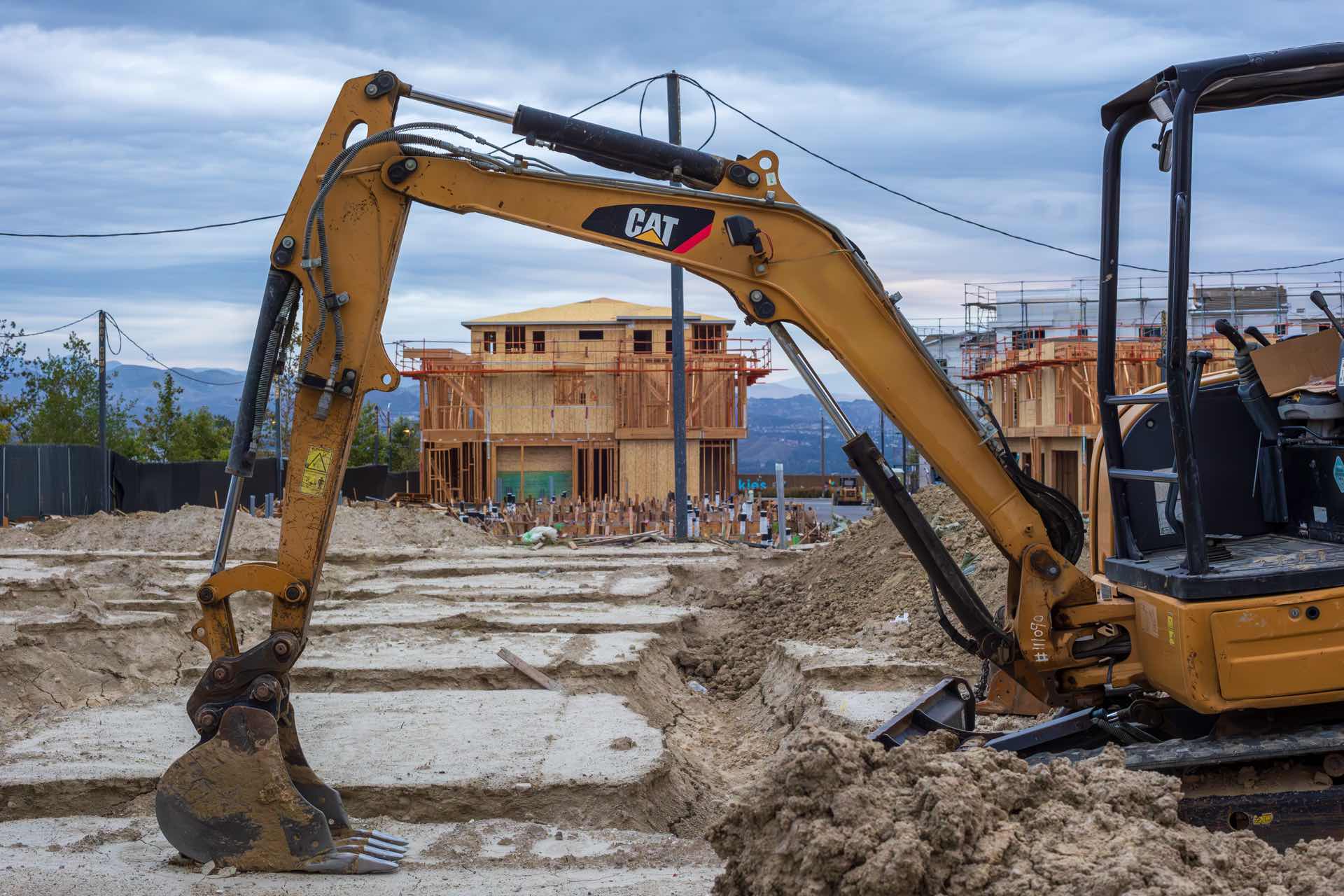
Replacing a tank is excavation work first. The old tank gets uncovered, disconnected from the inlet and outlet lines, and pulled. The new tank gets sized to the household, not to whatever was in the ground before, which matters if the property has grown since the original install. Getting the size right here is the same judgment call that catches undersized systems in the first place.
- Excavate and remove the failed tank
- Set and level the replacement tank, sized to current household load
- Install inlet and outlet baffles correctly, since a baffle installed wrong is what causes premature solids carryover into the drain field
- Reconnect the plumbing and backfill
- Pull the permit and schedule the county inspection sign-off before the job is called done
That permit and inspection step isn’t paperwork for its own sake. It’s the same kind of inspection that flagged the problem in the first place, and skipping it just sets up the next owner for the same surprise.
A tank swap and a full system replacement are not the same job
This is the distinction that saves people real money, and it’s also the one most likely to get blurred by whoever’s giving the estimate. A septic tank replacement runs $4,500 to $8,500. A full system replacement, meaning the tank and the drain field both, costs a lot more, because the drain field is the expensive part.
In most tank failures we look at, the drain field is still doing its job fine. It doesn’t need to be dug up, re-piped, or re-permitted. The problem started and ended at the tank. Replacing only what’s actually failed is the difference between a $6,000 job and one that’s two or three times that.
Worth separating out too: baffle repair ($250-600), riser installation ($300-550), and lid replacement ($200-450) are all real repairs, but they are not tank replacement. If an inspection report or an estimate uses “repair” and “replacement” interchangeably, ask which one you’re actually being quoted for.
The bottom line
A failing tank is a structural problem, not a maintenance problem, and the fix is a correctly sized replacement, not more pumping.
We’ll tell you if this is a repair or a replacement. Not sure what a failed inspection is going to cost you? See what a failed inspection could cost to fix. Ready to get ahead of it? Request a site evaluation, we respond within one business day.